
Early Spring Fava Bean, Pea Tendril & Toasted Walnut Salad
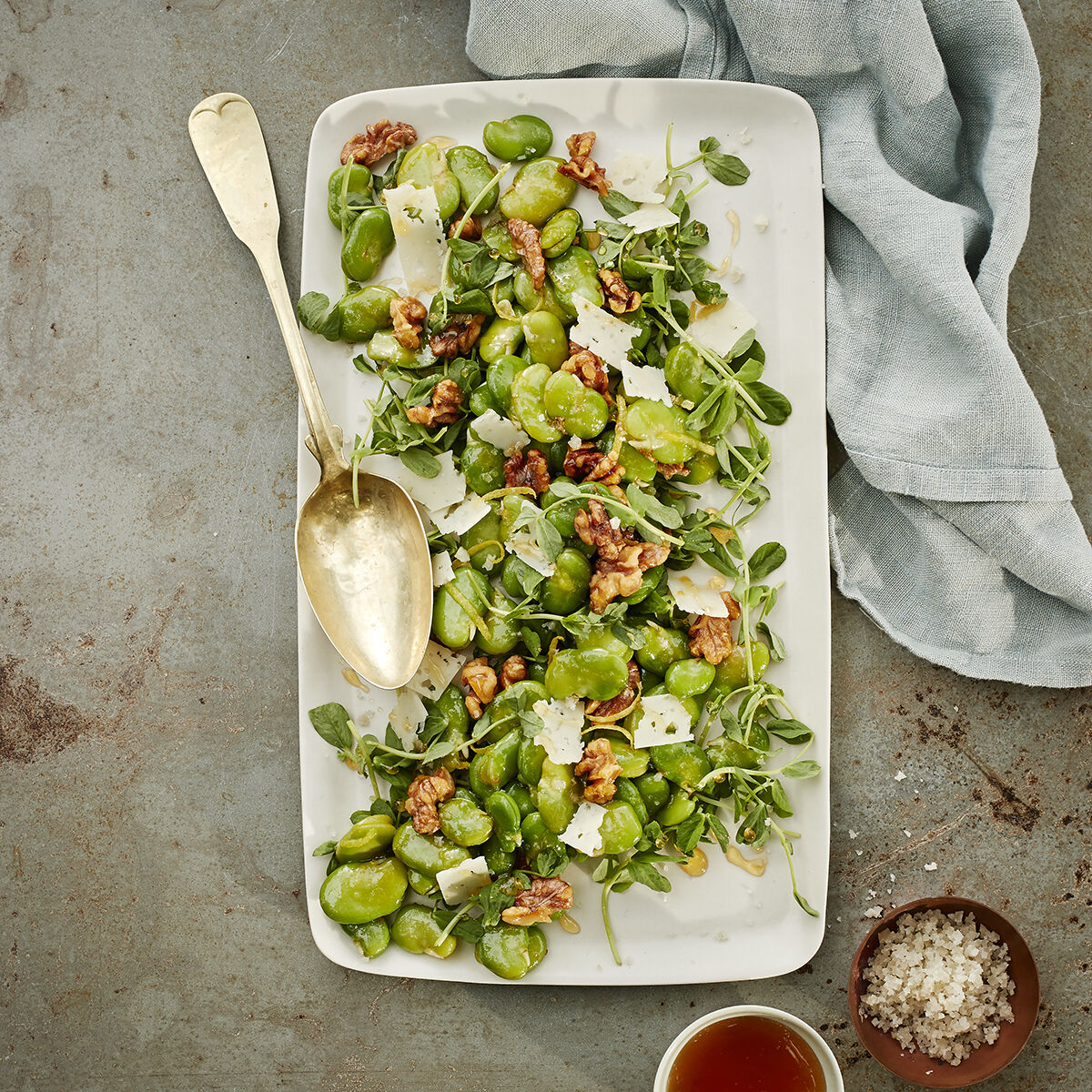
There is a certain kind of "kitchen meditation" that comes with the first arrival of spring vegetables. Shucking three pounds of fava beans might feel like a project, but the reward is a bowl of bright green, buttery gems that taste exactly like the season shifting. This Early Spring Fava Bean, Pea Tendril & Toasted Walnut Salad isn't your average pile of greens. It is a crunchy, salty, and citrusy celebration of the garden finally waking up after a long winter.
We are leaning into big textures here. You have the snap of fresh pea tendrils, the deep earthy crunch of walnuts toasted until they are golden, and the sharp, salty shavings of an aged sheep's milk cheese. Instead of a heavy vinaigrette, we use a drizzle of walnut oil and a touch of honey to let the ingredients breathe. It is the kind of dish that makes you want to move the dining table outside and spend the entire afternoon under the sun.
Balancing the "Green" Flavors of Spring
When you cook with the first ingredients of the season, you are dealing with a lot of "green" energy. Fava beans and pea tendrils have a specific, grassy vibrance that can sometimes feel a bit sharp if you don’t know how to mellow them out. To turn these vegetal notes into a balanced dish, you have to think about the flavor wheel. It is all about finding the right partners to soften those edges without masking the fresh, spring flavor.
The secret lies in the trio of fat, salt, and acid. We use walnut oil as the fat, which adds a rich, toasted depth that coats the tongue and smooths over the raw snap of the greens. Then comes the salt. By shaving an aged sheep’s milk cheese over the top, you get these little "umami bombs" that contrast the sweetness of the beans. Finally, the lemon zest provides the acid. It acts like a volume knob for flavor, turning up the brightness of the fava beans while cutting through the richness of the oil and nuts.

Early Spring Fava Bean, Pea Tendril & Toasted Walnut Salad
Ingredients
- 3 3⁄4 lb fava beans in the pod
- Kosher salt
- 2 cups walnut halves
- 2 tablespoons walnut oil
- Zest of 2 lemons, removed in strips with a channel knife and chopped
- 1 teaspoon honey
- 3 oz Nicasio Reserve cheese or an aged sheep’s milk cheese, shaved
- 4 cups loosely packed pea tendrils
- Sel gris, for finishing
Instructions
To prepare the fava beans:
Shuck the fava beans from their pods. In a large pot, combine 3 qt water and 1/2 cup kosher salt and bring to a boil over high heat. Fill a medium bowl with water and ice. Add the beans to the boiling water and cook for about 1 minute, until tender. The timing will depend on their size. Drain immediately and plunge the beans into the ice bath to halt the cooking. As soon as the beans are cold, remove from the ice water and spread on a paper towel to dry. The beans can be prepared up to this point up to a day in advance and stored in an airtight container in the refrigerator.
To slip each fava from its skin, gently apply pressure and pinch the fatter end of the bean, being careful not to squish the bean. Place the skinned favas in a medium bowl and set aside. You should have about 1 lb (3 cups) skinned favas.
To toast the walnuts: Preheat the oven to 350°F. Spread the walnuts in a single layer on a sheet pan and toast for 8 minutes, until golden. Pour onto a work surface and let cool. Using the palm of your hand, gently press the walnuts to break them up.
To serve:
Add the walnuts, walnut oil, lemon zest, honey, cheese, and 1 teaspoon kosher salt to the fava beans and toss to coat the favas evenly. Place the pea tendrils on a serving plate and top with the fava salad.
Sprinkle with the sel gris.
The Best Wine Pairings for Spring Salad
When you are serving a dish that tastes like a literal garden on a plate, the wine pairing needs to follow suit. The goal is to find a bottle that shares that same lively, "just picked" energy without being overshadowed by the earthy walnuts or the salt of the aged cheese.
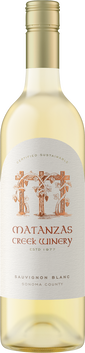
A crisp Sauvignon Blanc is the natural partner here because it mirrors the herbal profile of the pea tendrils and the bright snap of the lemon zest. This wine is famous for its citrusy drive and notes of freshly cut grass, which act like a final seasoning for the fava beans. The high acidity in the glass performs a vital role too. It cleanses the palate after every bite of rich walnut oil and salty Nicasio Reserve, making sure each forkful feels as light and fresh as the first one.
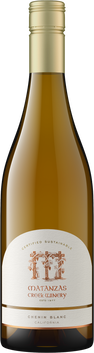
If you want to explore beyond the classic choice, a Chenin Blanc can offer a beautiful alternative. These wines bring a touch more weight and a stony minerality that plays off the toasted walnuts and the "sel gris" finish. Whatever you pour, make sure it is well chilled to match the cool, crisp temperament of a spring afternoon.