

Duck Rillettes with Grape and Mustard Seed Chutney
If you are looking for the ultimate "make ahead" flex for your next dinner party, look no further than the French art of the confit. There is something deeply satisfying about a kitchen project that rewards you weeks or even months down the line. These Duck Rillettes with Grape and Mustard Seed Chutney are the definition of slow food made simple. By slowly poaching duck legs in their own fat until the meat practically falls away from the bone, you create a spread that is incredibly rich, silky, and savory.
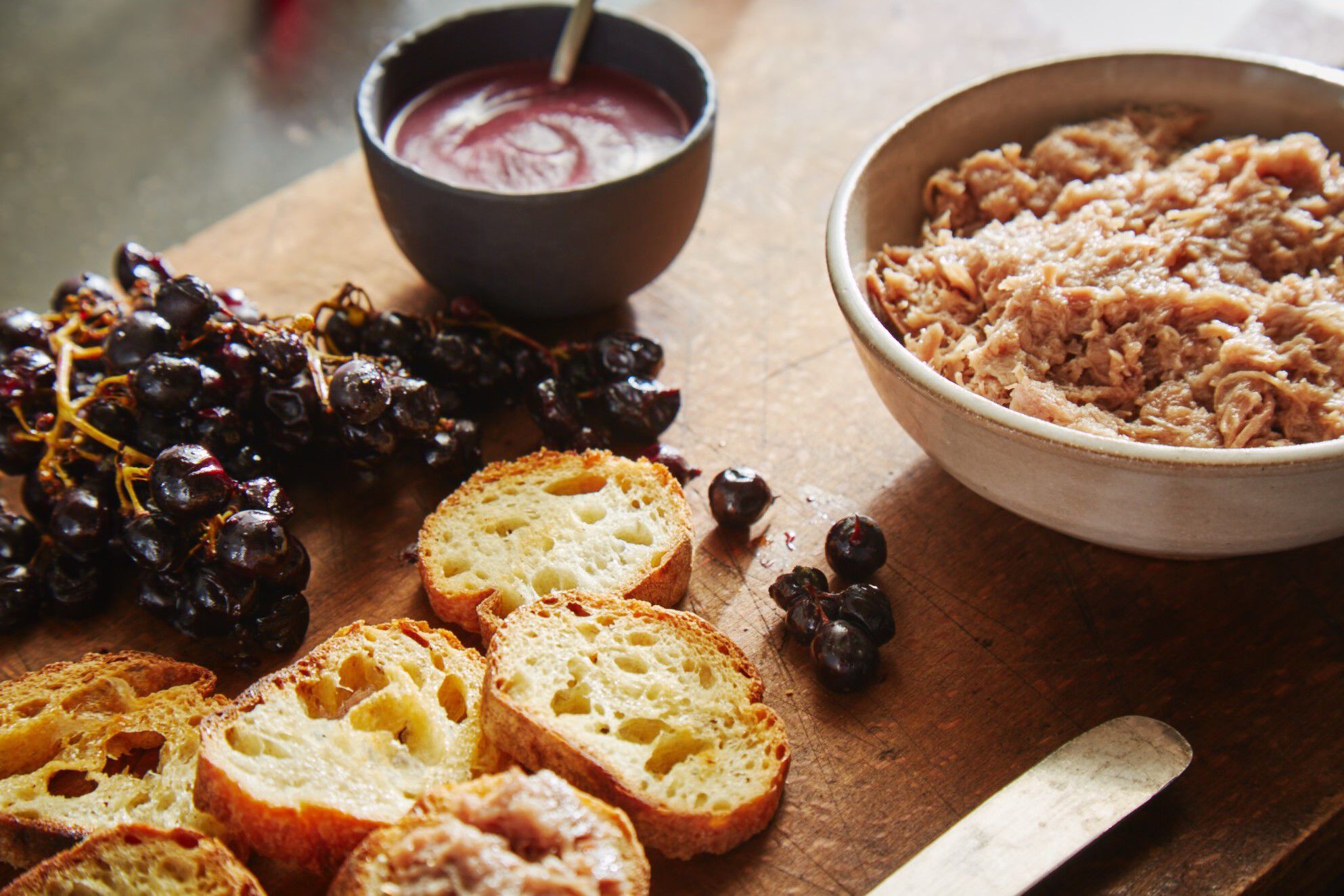
While the duck is the star, the homemade grape and mustard seed chutney is the supporting actor that steals the show. We are skipping the standard fruit preserves for something much more complex. Red grapes are simmered down with verjus, warm spices like star anise and cinnamon, and toasted mustard seeds that pop in your mouth. This chutney provides a sharp, tangy contrast to the decadence of the duck fat, cutting through the richness and waking up your palate.
Confit vs. Rillettes: What is the Difference?
It is easy to get these two confused because you cannot have one without the other. Think of confit as the method and rillettes as the destination. The word confit comes from the French verb confire, which simply means to preserve. In this stage, we are slowly bathing the duck legs in melted fat at a low temperature. This process breaks down the tough connective tissue until the meat is incredibly tender, while the fat acts as a protective seal that keeps the duck fresh for months in the fridge.
Rillettes, on the other hand, take that preserved meat and turn it into something spreadable and social. Once the duck is confited and cooled, you shred the meat and whip it together with a bit of that chilled, flavorful fat and a touch of mustard. The goal is to create a rustic, textured paste that is rich enough to coat a piece of crusty bread. While a confit duck leg is often served whole and crispy as a main course, rillettes are designed to be the life of the party on a charcuterie board.

Duck Rillettes with Grape and Mustard Seed Chutney
Ingredients
For the duck rillettes:
- 4 whole duck legs, thighs attached (about 13⁄4 lb.)
- 5 cups rendered duck fat, melted
- 1⁄3 cup kosher salt
- 1 tablespoon sugar
- 5 fresh thyme sprigs
- 1 teaspoon fennel seeds
- 1 teaspoon black peppercorns
- 1 teaspoon juniper berries
- 1 bay leaf
- 1 teaspoon Dijon mustard
For the grape & mustard seed chutney:
- 2 lb. small-to-medium seedless red grapes
- 1⁄3 cup yellow mustard seeds
- 2 teaspoons rice oil or other neutral-flavored oil
- 1⁄2 cup diced yellow onion, cut into small dice
- 1 cup red verjus
- 1-star anise pod, finely ground
- 1 teaspoon ground coriander
- 2 teaspoons ground cinnamon
- 1 cup golden raisins
- 1⁄2 teaspoon kosher salt
Instructions
To brine the duck:
In a small bowl, stir together the salt, sugar, thyme, fennel seeds, peppercorns, juniper berries, and bay leaf. Place the duck legs in a single layer in 9-by-13-inch baking pan. Evenly coat both sides of each leg with the salt mixture, then pour any excess salt over the top. Cover the pan with plastic wrap and place a weight on top to press. Refrigerate overnight.
To confit and store the duck:
Preheat the oven to 275°F. Rinse the duck legs under cool running water and pat dry with a paper towel. Rinse and dry the pan and place it on a half sheet pan. Return the duck legs to the pan and pour the duck fat over them, covering them completely.
Cover the pan with aluminum foil and bake the duck for 21/2 to 3 hours, until tender and the meat is falling off the bone. Remove from the oven and let sit until the duck is cool to the touch. Transfer the duck legs and fat to an airtight container, making sure the legs are completely submerged in the fat to store. Cover and store for up to 6 months in the refrigerator.
To make the duck rillettes:
Remove the duck legs from the fat. Measure 1 cup of the fat and place it in the refrigerator. Pick the duck meat from the bones and shred, discarding any bones, fat, skin, or gristle. In a stand mixer fitted with the paddle attachment, combine the duck meat, 1/2 cup of the chilled fat, and the Dijon mustard and beat on medium speed for 20 seconds, until the meat begins to come together and is glossy. Taste and adjust with salt for flavor, and additional fat if the mixture is too dry.
The rillettes can be served right away, or they can be packed in an airtight container (pack tightly to remove any air bubbles), topped with a layer of melted duck fat, covered, and refrigerated for up to 1 month. Rinse the carrots and carrot tops with cool running water. Trim off the tops and reserve 2 cups firmly packed tops. Trim off the root ends of the carrots. In a medium bowl, combine the carrots, 2 tablespoons of the oil, and the kosher salt and toss to coat evenly.
To make the grape & mustard chutney:
In a small, dry skillet, heat the mustard seeds over medium heat, moving the pan occasionally to ensure even toasting, for about 2 minutes, until lightly toasted, fragrant, and just beginning to pop. Set aside. In a 4-qt pot, heat the oil over medium heat. Add the yellow onion and cook, stirring occasionally, for about 1 minute, until soft. Add the grapes, stir to combine and cover the pot. Cook, stirring often, for 10 to 12 minutes, until the grapes begin to wilt. Add the verjus, star anise, coriander, cinnamon, raisins, salt, and the toasted mustard seeds and stir well. Cook uncovered over medium heat for 10 to 15 minutes, until the liquid has reduced and the mixture is thick. Remove from the heat and serve warm or cold. The chutney will keep in an airtight container in the refrigerator for up to 1 month.
To serve:
Spoon the rillettes into a small serving bowl. Arrange the crackers and/or baguette slices on a platter. Invite guests to spread the rillettes onto the crackers or baguette slices, then top with the chutney.
How to Pair Duck and Wine
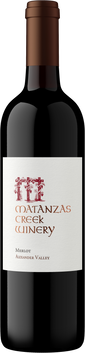
When you are serving something as decadent as duck whipped in its own fat, the wine in your glass has a big job to do. You need a partner that is sophisticated enough to match the richness but bright enough to keep your palate from feeling weighed down. A plush Merlot is the classic choice here for a very specific reason. Its velvety tannins and dark fruit notes act like a natural extension of the grape and mustard seed chutney, creating a bridge between the savory meat and the sweet, spiced fruit.
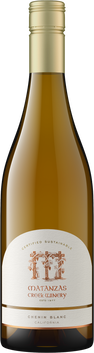
Because duck rillettes are so coating, the soft but present structure of a Matanzas Creek Merlot helps to cut through that intensity. The wine often carries subtle herbal undertones and a hint of cocoa that pulls out the earthy juniper and thyme we used in the brine. It is a pairing that feels intentional. The acidity in the wine balances the salt of the confit, while the plum and black cherry flavors dance with the cinnamon and star anise in the chutney.