History of our Gardens and Lavender Field
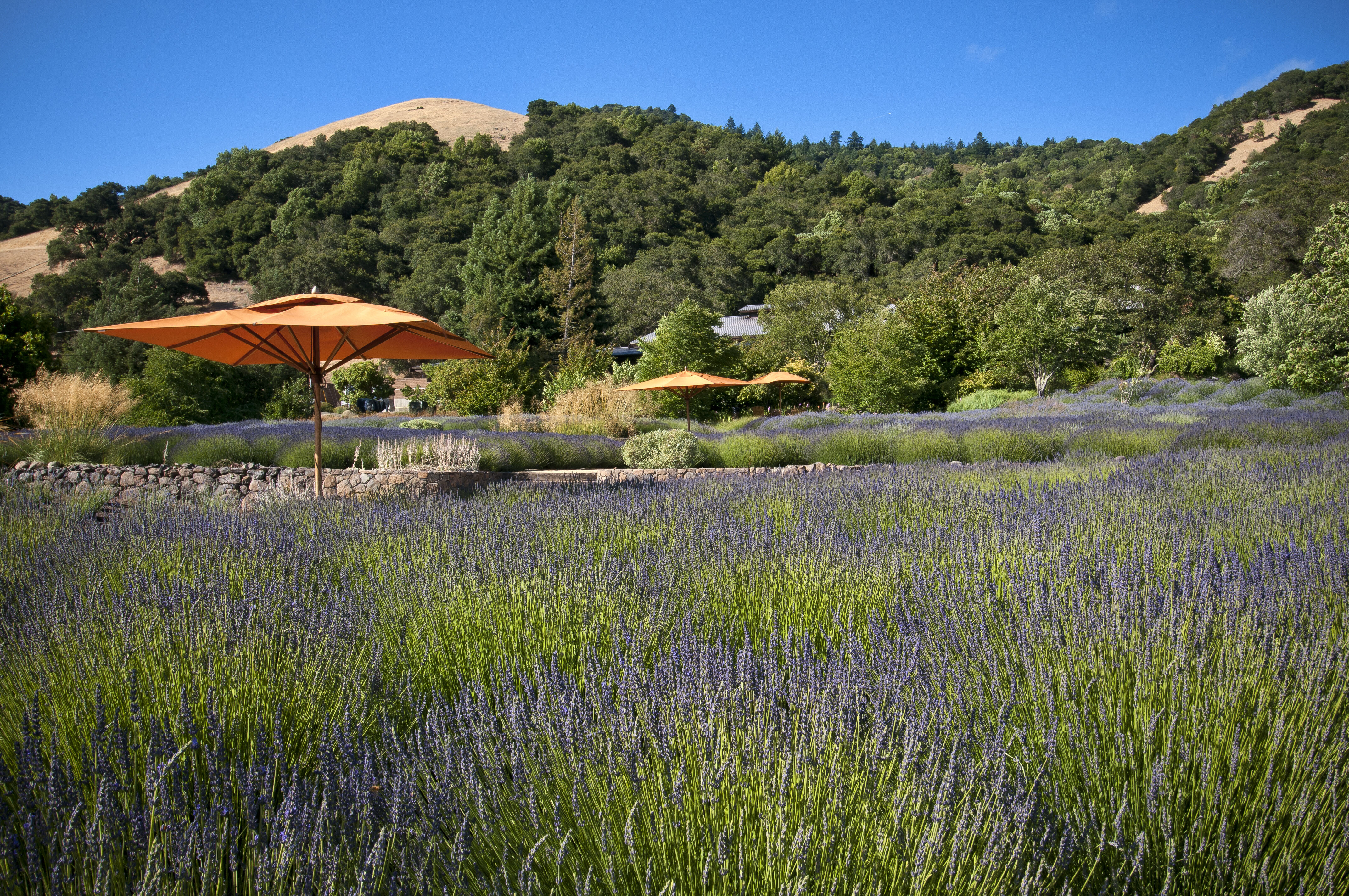
Matanzas Creek Winery's Estate gardens and lavender field with their breathtaking artistry and unique design, have earned Matanzas Creek Winery a reputation as one of Northern California's most compelling and critically acclaimed travel destinations.
An eclectic blending of wind-blown native grasses, billowing olive trees, exotic perennials, terraced rows of lavender and rolling vineyards, the Matanzas Creek Estate Winery gardens and lavender field draw much of their inspiration from the childhood playground of Matanzas Creek Winery founder Sandra MacIver. "My grandmother's gardens were a place of refuge for me as a child," said MacIver, recalling the gardens of her grandparent's New Orleans home (now open to the public and on the National Register of Historical Landmarks under the title Longue Vue House and Gardens). "The gardens were an amazing combination of thrilling expanse and quiet intimacy - a vast wonderland in which I took refuge and could disappear completely. Naturally, I dreamed that I would one day have the opportunity to create a garden like that here at Matanzas Creek. My husband Bill encouraged this dream and shared with me the desire to create gardens that would be at once strikingly unique, appropriate to their surroundings, and highly reflective of the passing seasons."
In the early 1990's, as Matanzas Creek Winery made preparations to open a tasting room for the public, the MacIvers saw their vision become a reality. In a timely twist of fate, Bill and Sandra met Gary Ratway, a landscape designer from Mendocino whose innate feel for the natural line and form of Bennett Valley land proved remarkably in sync with the Estate property's aesthetic and the MacIvers vision. Ratway was hired to transform the Estate property and over time orchestrated the development of the gardens and lavender field that are now a highly favored spot among visitors to the wine country.
Brief History of Lavender
The word “lavender” is derived from the Latin word “lavare” or “to wash.” It is believed that lavender, a member of the mint family, made its way to North America by way of the pilgrims in the 1600's, although lavender has been documented in use as an herb for over 2,500 years. The plant is believed to have originated in the Mediterranean and Northern Africa as it has been found for centuries in Egypt, Sudan, Ethiopia, Italy, Greece, Portugal, Switzerland, Yugoslavia, France, Spain, Syria, Nigeria and Yemen, among others. In some of its earliest-known uses, lavender was used in the preservation process of Eqyptian mummies and was the primary source of perfumes. Early references to the herb, most specifically in the Bible, call it “spikenard.”
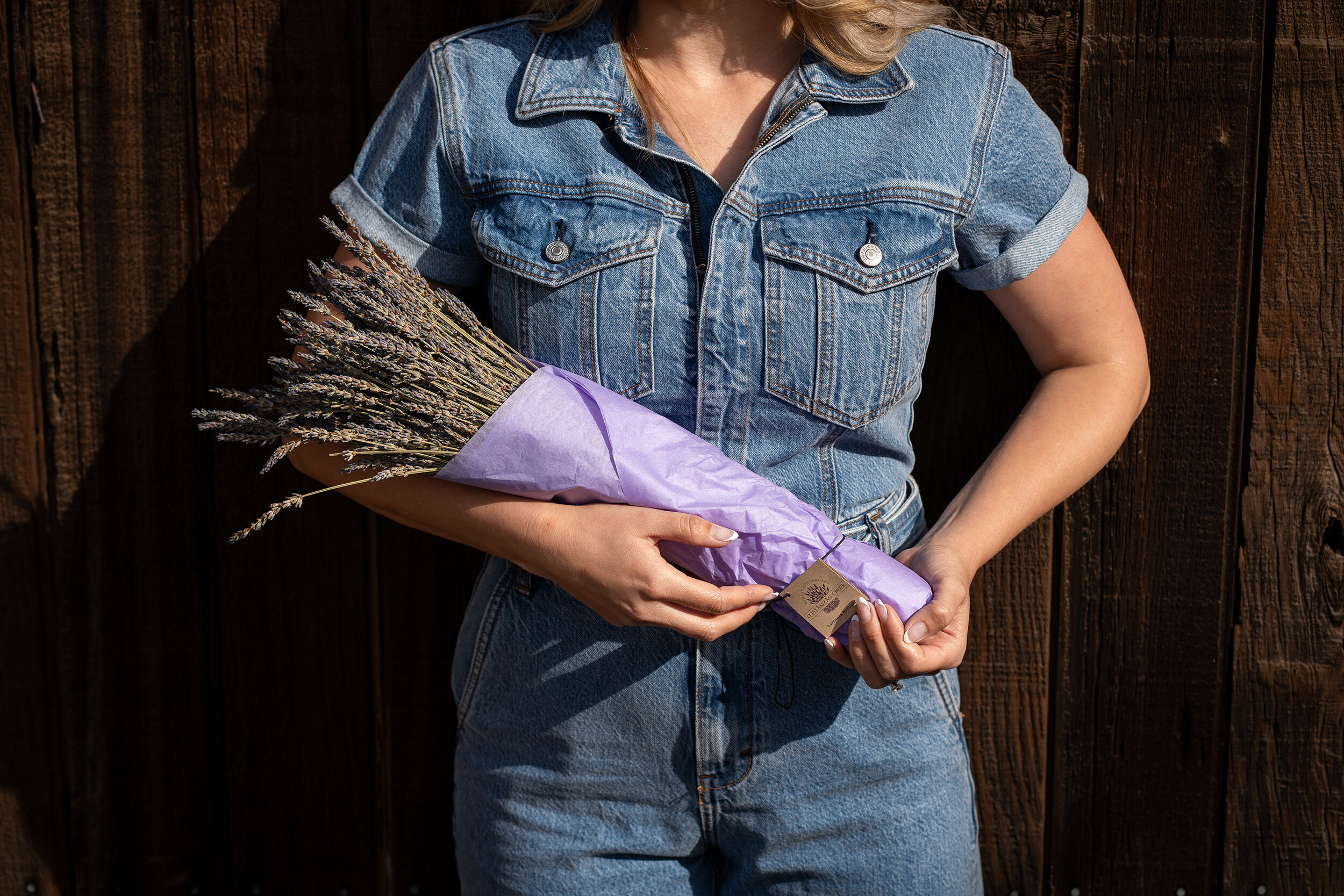
The properties used to determine the quality of lavender are its distinctive levels of “woodsy,” “sweet,” “pungent,” “citrus” and “floral” characteristics. In addition to being noted for its soothing, antiseptic and anti-inflammatory health-related properties, lavender is also commonly tucked into wedding bouquets as a message of ‘best wishes'